
Views: 0 Author: Site Editor Publish Time: 2026-09-02 Origin: Site


Packaging failure carries immediate operational and reputational costs. When hot oil bleeds through a container during transit, it ruins secondary bags, compromises food temperature, and leaves customers with a messy, unappetizing meal. Procurement teams frequently encounter generic grease-resistant claims from suppliers. Without objective verification, these vague promises lead to purchasing decisions that fail under the real-world stress of high temperatures, extended delivery windows, and high-fat menu items.
To prevent structural collapse and protect brand equity, buyers must move beyond marketing terminology. Grease penetration time testing provides the objective, quantifiable metric necessary to evaluate packaging suppliers accurately. By understanding how materials react to lipid exposure over specific durations, procurement managers can verify structural integrity and barrier performance before committing to bulk manufacturing orders. This testing ensures the chosen packaging aligns perfectly with the specific demands of the food it holds.
Grease penetration time dictates the maximum viable delivery radius and holding time for high-fat food items.
Standardized tests (like the 5-Minute Spot Test and TAPPI T 559) provide objective benchmarks for comparing different packaging materials.
Material composition—ranging from poly-coated boards to untreated kraft paper—drastically alters penetration timelines and overall unit cost.
Procurement decisions must balance verified grease resistance with emerging regulatory compliance (e.g., PFAS bans) and structural design.
Grease penetration time measures the exact duration required for lipids to migrate from the interior contact surface of a container through the paperboard substrate to the exterior face. This metric removes subjectivity from packaging evaluation. Instead of guessing whether a coating will hold up, quality assurance teams rely on specific timeframes. If a high-fat item like a double cheeseburger requires a 30-minute delivery window, the packaging must demonstrate a penetration time exceeding that duration under thermal load.
Evaluating a Take Out Box requires testing it against the precise temperature and moisture conditions it will face in the field. Establishing these baseline criteria allows buyers to compare different suppliers using identical performance standards. You cannot rely on a simple visual inspection of a dry box. You must subject the material to the exact lipid profile of your menu items to establish a true baseline for success.
Paperboard derives its strength from a matrix of interlocking cellulose fibers. When hot oil breaches the surface barrier and penetrates this matrix, it acts as a plasticizer. The oil lubricates the fibers, causing them to lose friction and separate under load. This chemical interference immediately degrades the compression strength of the container. As the walls absorb grease, the box softens and becomes susceptible to collapse, especially when stacked inside a delivery bag.
Furthermore, oil-saturated paper loses its insulating properties. Heat transfers rapidly through the wet fibers, causing the food inside to drop below safe holding temperatures long before it reaches the customer. Maintaining structural integrity requires a barrier that prevents this initial lipid absorption entirely. We see this frequently in field tests where a seemingly rigid box turns into a soft, unstable mess within fifteen minutes of holding fried chicken.
Consumers judge food quality the moment they receive their order. A container marred by dark, translucent grease stains signals poor quality control and cheap materials. When oil breaches the primary container, it inevitably damages the secondary packaging, soaking through paper delivery bags and staining car seats or clothing. This negative physical interaction overshadows the quality of the food itself.
Customers associate compromised, leaking packaging with a lack of care. Investing in materials with high grease penetration resistance protects the visual presentation of the meal and ensures the customer's first physical touchpoint with the brand is clean, dry, and structurally sound. A dry exterior communicates professionalism and hygiene, directly impacting repeat order rates.
The 5-minute grease spot test serves as a highly effective, rapid quality assurance protocol. The methodology is straightforward and requires minimal laboratory equipment. Technicians apply a specific volume of heated oil directly to the interior flat surface of the packaging material. A timer is set for exactly five minutes. Once the time elapses, the oil is wiped away, and the reverse side of the paperboard is inspected under bright light.
To execute this test properly on a receiving dock, follow these exact steps:
Select three random carton samples from different pallets in the delivery.
Heat standard cooking oil to 70°C to simulate fresh, hot food.
Apply exactly 5 milliliters of the heated oil to the center of the interior base panel.
Start a timer for exactly 300 seconds.
Wipe the oil away completely with a dry microfiber cloth.
Hold the box up to a high-lumen light source and inspect the exterior base for any translucent spotting.
The baseline metric is binary. A completely clean exterior surface after five minutes registers as a pass, indicating the barrier can withstand standard short-haul delivery windows. Any visual darkening or oil spotting constitutes a failure. This method provides immense utility as a fast, in-house QA check. Receiving facilities can execute this test on random samples from new shipments, catching barrier degradation or coating failures before the defective paper ever reaches the food preparation line.
For precise, industry-standard benchmarking, packaging engineers rely on the KIT test, formally known as TAPPI T 559. This method measures surface repellency using a series of twelve numbered reagents. These reagents are specific mixtures of castor oil, toluene, and heptane. Castor oil possesses high surface tension, while heptane has very low surface tension.
During the test, a drop of each solution is placed on the paperboard for exactly 15 seconds. Technicians observe whether the solution darkens the fibers. The highest-numbered solution that remains on the surface without causing a dark spot determines the material's KIT score. A score of 1 to 3 suits low-risk items like dry baked goods. Scores between 6 and 8 are standard for general fast food. Heavy, oil-submerged foods require a KIT score of 10 to 12. This grading system allows buyers to match the exact chemical resistance of the board to the lipid profile of their menu.
While the KIT test measures surface repellency, the Cobb ring test quantifies total absorption capacity. Technicians clamp a metal cylinder over a pre-weighed sample of paperboard, exposing a precisely measured circular area. A specific volume of oil is poured into the ring and left for a designated timeframe, often 30 minutes.
After the time expires, the oil is discarded, and the surface is blotted dry to remove excess liquid. The paperboard is then weighed again. The difference between the initial and final weight reveals the exact mass of oil absorbed per square meter of material. This data proves invaluable when engineering packaging for long-term food storage or extended delivery routes, as it shows exactly how much grease the substrate will hold before complete structural failure occurs.
Procurement professionals researching grease testing frequently encounter ASTM D-217 and ASTM D-1403. These are cone penetration tests, and they generate significant confusion. It is necessary to understand that these standards apply strictly to industrial lubricants, automotive greases, and heavy machinery—not food packaging.
In these industrial tests, a device called a penetrometer drops a weighted metal cone into a fixed-size cup filled with lubricating grease. The cone falls for exactly five seconds, and a technician records the depth of the hole in tenths of a millimeter. This measures the physical hardness and consistency of the grease itself under different shear conditions. These metrics have zero relevance to the barrier properties, surface tension resistance, or oil migration rates of paperboard. Food packaging evaluation must remain focused on TAPPI standards and lipid migration times.
Test Method | Primary Metric Measured | Equipment Required | Best Application |
|---|---|---|---|
5-Minute Spot Test | Visual bleed-through time | Heated oil, timer, light source | Rapid QA on receiving docks |
KIT Test (TAPPI T 559) | Surface repellency (Score 1-12) | 12 chemical reagents, dropper | Supplier benchmarking and TDS verification |
Cobb Ring Test | Total oil absorption by weight | Metal cylinder, precision scale | Long-term storage engineering |
ASTM D-217 | Lubricant hardness (P0/P60) | Penetrometer, weighted cone | Industrial machinery (Not for packaging) |
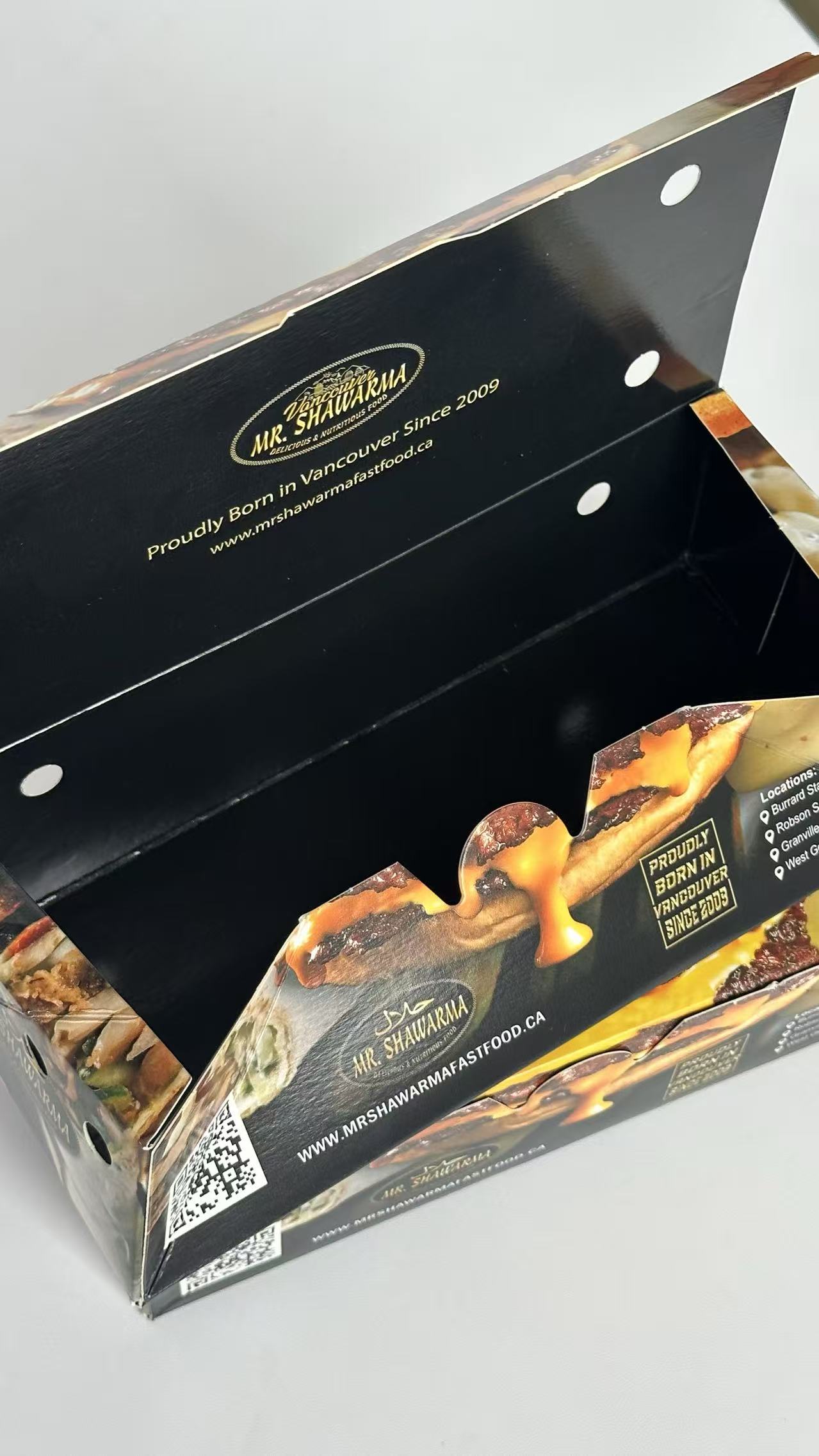
Extruding a thin layer of plastic over paperboard provides an absolute barrier against lipid migration. Polyethylene (PE) linings physically plug the porous surface of the paper, resulting in exceptionally high grease penetration resistance. Oil simply cannot pass through the plastic film, regardless of the holding time. However, this performance comes with severe end-of-life trade-offs. PE-lined boards are notoriously difficult to recycle, requiring specialized pulping facilities to separate the plastic from the paper fibers.
Polylactic acid (PLA) offers a bioplastic alternative derived from renewable resources like corn starch. PLA maintains strong barrier properties and is commercially compostable. Yet, PLA presents its own challenges. It is more brittle than PE, prone to cracking at fold lines, and carries a higher unit cost. Buyers must weigh the flawless grease resistance of these polymer films against regional waste management capabilities when sourcing greaseproof takeaway boxes.
Aqueous coatings represent the modern standard for balancing functional grease resistance with environmental compliance. These water-based dispersions consist of synthetic polymers suspended in water. During manufacturing, the liquid is applied to the paperboard, and as the water evaporates, it leaves behind a microscopic, continuous polymer film.
These coatings integrate seamlessly into standard recycling streams because they break down easily during the repulping process. They provide excellent resistance to standard fast-food grease. However, aqueous barriers have performance limitations. Under extreme heat—such as boiling liquids or foods fresh from a deep fryer—or during extended holding times exceeding 45 minutes, the thin polymer layer can degrade. The moisture from the hot food can reactivate the water-based components, leading to eventual barrier failure and grease penetration.
Uncoated kraft paper relies entirely on its physical density for barrier protection. During the papermaking process, the fibers are heavily calendered—pressed between massive steel rollers—to create a tight, smooth surface. This mechanical compression reduces the size of the pores between the cellulose fibers, slowing down oil migration.
The baseline grease penetration time of dense, uncoated board is relatively low compared to coated alternatives. Oil will eventually soak through. Therefore, kraft burger boxes are best deployed for specific use cases. They excel with low-moisture, short-transit items where the food is consumed quickly. Conversely, they represent a high-risk application for smash burgers, heavily sauced sandwiches, or fried foods, where the high lipid content will rapidly penetrate the unshielded fibers and compromise the container.
Material surface coatings only tell half the story. The structural design of the container dictates how that material performs in three-dimensional space. Corner folds, gussets, and glued seams represent structural weak points. When flat paperboard is scored and folded to create a box, the mechanical stress often micro-fractures the surface coating.
These microscopic cracks expose the raw, untreated paper fibers beneath the barrier. During transit, hot oil naturally flows toward the lowest points of the container, pooling in the corners and along the seams. Once the grease reaches these fractured areas, capillary action rapidly pulls the oil into the core of the paperboard, bypassing the surface coating entirely. A material that passes a flat KIT test perfectly can still fail in the field if the structural design creates deep pooling zones and fractured barrier lines.
Dimensional accuracy plays a massive role in grease management. Improper sizing directly accelerates barrier failure. If a container is too large for the food it holds, the item shifts violently during delivery. This constant movement causes mechanical abrasion, scraping hot, salty grease against the interior walls and degrading the coating.
More importantly, this shifting forces excess oil outward, driving it directly into those vulnerable, unreinforced corners and seams. Utilizing custom size burger boxes eliminates this internal movement. A properly dimensioned container locks the food in place, minimizing the surface area exposed to direct fat contact and keeping the oil concentrated in the center of the box, away from the structural weak points at the edges.
For decades, the packaging industry relied heavily on per- and polyfluoroalkyl substances (PFAS) to achieve exceptional grease resistance without adding a physical plastic layer. These chemicals alter the surface tension of the paper, causing oil to bead up and roll off. However, widespread regulatory bans are now active due to the severe health and environmental risks associated with PFAS accumulation.
Sourcing legacy packaging carries massive legal and reputational risks. Procurement teams cannot rely on verbal assurances. You must demand comprehensive compliance documentation from all suppliers. Request independent, third-party testing certificates verifying that the finished paperboard contains no intentionally added PFAS. Total fluorine testing is the standard method used by laboratories to confirm the absence of these restricted chemicals in food contact materials.
Manufacturing paperboard coatings is a complex chemical process. Variations in machine speed, drying temperatures, or coating viscosity can lead to uneven barrier application. This creates a significant risk of batch-to-batch inconsistency. One shipment of boxes might perform flawlessly, while the next batch from the same supplier fails completely under identical conditions.
To mitigate this risk, procurement must establish strict acceptable failure rates in their supplier contracts. Furthermore, restaurant operators should implement mandatory 5-minute spot-testing protocols at their receiving facilities. Testing three random boxes from every new pallet delivery ensures ongoing quality control. Catching barrier degradation at the loading dock prevents catastrophic packaging failures from reaching the customer base.
Match your highest-fat menu item and longest delivery time to the corresponding KIT score or spot-test benchmark before selecting a material.
Request comprehensive Technical Data Sheets (TDS) and independent PFAS-free certifications from all prospective packaging suppliers.
Implement a mandatory 5-minute hot oil spot test on sample units at your receiving facilities to verify batch-to-batch consistency.
Audit your current packaging dimensions to ensure a tight fit, reducing internal food movement and protecting vulnerable corner seams from grease pooling.
A: A high-quality container designed for standard fast-food delivery should resist hot oil penetration for a minimum of 30 to 45 minutes. This duration covers the typical transit window, ensuring the box maintains its structural compression strength and visual appeal until the customer receives the meal.
A: The 5-minute spot test acts as a rapid quality control filter. By applying hot oil to a sample and checking for visual bleed-through after five minutes, receiving teams can immediately identify defective coating batches. This stops compromised packaging from entering the food preparation line.
A: The KIT test uses twelve specific chemical solutions with varying surface tensions. Technicians apply these drops to the paperboard. The highest-numbered solution that remains on the surface for 15 seconds without darkening the fibers determines the board's KIT score, indicating its overall repellency.
A: Uncoated kraft relies solely on fiber density for protection. While suitable for dry or low-moisture items, it generally fails quickly when exposed to high-fat foods like smash burgers or fried chicken. The oil rapidly penetrates the unshielded cellulose fibers, leading to structural softening.
A: Food packaging tests measure how long it takes oil to migrate through a paper barrier. ASTM D-217 is an industrial test that drops a weighted cone into lubricating grease to measure the physical hardness and consistency of the grease itself. It has no application for paperboard.
A: Proper sizing prevents the food from sliding around during transit. This reduces mechanical abrasion against the interior coating and stops excess oil from being pushed into the unreinforced corner folds and glued seams, which are the most common points of barrier failure.


