
Views: 0 Author: Site Editor Publish Time: 2026-10-19 Origin: Site


Many people slide cardboard packaging directly into a conventional oven to reheat a slice or keep a pie warm. You might assume the packaging can handle baking temperatures since it holds hot food. This habit introduces immediate physical hazards and hidden chemical dangers. Heating unregulated corrugated materials risks sudden ignition and severe grease fires. It also triggers the invisible leaching of industrial adhesives and volatile organic compounds from printing inks directly into your meal. We need to look at thermal thresholds and material science rather than guessing. Understanding these variables shows exactly why sourcing a certified food-safe corrugated pizza box matters for consumer safety and brand liability. You will learn the exact temperature limits of corrugated materials, the chemical breakdown of packaging under thermal stress, and the safest methodologies for reheating food without compromising quality.
Standard corrugated cardboard auto-ignites at approximately 427°F (220°C), but grease saturation significantly lowers this flashpoint.
Heating standard packaging causes adhesives, recycled fibers, and non-heat-stable inks to off-gas or leach into the food.
A true food-safe corrugated container uses specific FDA-compliant liners and adhesives designed for incidental heat, not active baking.
Pizzerias must prioritize high-quality, grease-resistant materials and utilize custom printing to explicitly communicate safe reheating instructions to consumers.
To understand why heating packaging is dangerous, we must define the baseline physical properties of corrugated cardboard under thermal stress. Corrugated packaging consists of cellulose fibers derived from wood pulp. These fibers possess specific thermal limits that dictate how they react when exposed to ambient oven heat and direct infrared radiation from heating elements. When evaluating safety, we measure the material's structural integrity, its moisture content, and its ultimate flashpoint.
The auto-ignition temperature of standard paper and virgin wood pulp is widely documented at approximately 427°F to 451°F (220°C to 233°C). Auto-ignition refers to the specific temperature at which a material will spontaneously burst into flames without the presence of an external spark or open flame. In a controlled laboratory environment, clean, dry cardboard can theoretically withstand temperatures up to 400°F for brief periods before combusting. A residential oven is not a controlled laboratory environment.
Dangerous consumer advice frequently circulates on internet forums claiming that baking temperatures under 400°F are entirely safe for cardboard. This 350°F myth fails to account for thermal degradation. Prolonged exposure to temperatures well below the auto-ignition point causes severe material embrittlement. As the moisture rapidly evaporates from the cellulose fibers, the cardboard begins to char, turn brittle, and generate smoke. This charring process releases carbon monoxide and other combustion byproducts into the oven cavity, ruining the food long before actual flames appear.
Material State | Estimated Flashpoint / Auto-Ignition | Thermal Degradation Point | Primary Hazard |
|---|---|---|---|
Clean, Dry Virgin Kraft Paper | 427°F - 451°F (220°C - 233°C) | 350°F (176°C) | Embrittlement and charring |
Grease-Soaked Corrugated Board | 300°F - 350°F (148°C - 176°C) | 250°F (121°C) | Rapid ignition of rendered fats |
Recycled Testliner with Inks | 380°F - 400°F (193°C - 204°C) | 200°F (93°C) | Chemical off-gassing and toxic smoke |
Poly-Coated Paperboard | N/A (Melts before ignition) | 180°F (82°C) | Plastic fusion to food surfaces |
Many consumers attempt to bypass high-heat risks by utilizing a modern oven's dedicated "keep warm" feature, which typically operates between 170°F and 200°F. On the surface, this temperature range appears well below the auto-ignition threshold. The reality of oven mechanics tells a different story. Even low-temperature environments pose severe risks due to uneven oven thermostat cycling.
Electric and gas ovens do not provide a constant, steady stream of low heat. To maintain a 170°F ambient temperature, the oven's internal thermostat cycles the primary heating elements on and off. When these elements activate, they blast localized radiant heat that can temporarily exceed 800°F at the source. If the packaging sits on a lower rack in close proximity to an exposed electric coil or gas burner, the bottom of the box receives a concentrated thermal shock. This localized heating easily pushes the corrugated material past its flashpoint, igniting the bottom of the packaging while the ambient air remains relatively cool.
The physical properties of clean cardboard only tell half the story. The compounding variables introduced by hot food, oils, and manufacturing chemicals make heating a used container exceptionally dangerous. A box that has successfully transported a meal is fundamentally altered from its original manufactured state.
Absorbed oils act as a highly efficient accelerant. When hot cheese and cured meats release fats during transit, these oils soak directly into the porous kraft paper lining. This grease saturation drastically lowers the auto-ignition temperature of the cardboard. Oil-soaked paper fibers can ignite at temperatures as low as 300°F, depending on the specific smoke point of the fats involved.
A standard, uncoated container absorbs grease rapidly, creating a flammable wick across the entire bottom surface. Upgrading to a specialized grease-resistant pizza box mitigates this risk during transit by utilizing denser paper weaves or safe barrier coatings. Even grease-resistant treatments are designed for transport, not for the sustained thermal load of an oven. If oil pools on top of a resistant barrier and is subjected to oven heat, the oil itself reaches its flashpoint, starting a grease fire inside the oven cavity.
Corrugated packaging relies on industrial adhesives to bond the fluted inner layer to the flat outer liners. The most common adhesive used in this process is polyvinyl acetate (PVA) glue mixed with starch. While standard PVA glues are perfectly safe at room temperature, they undergo rapid thermal breakdown when exposed to oven heat. As the temperature rises, these adhesives begin to melt, vaporize, and off-gas.
This thermal breakdown releases volatile organic compounds (VOCs) into the enclosed oven environment. Because the packaging is directly touching the food and the oven air is circulating, these chemical vapors transfer directly into the crust and cheese. Consumers eating food heated in standard packaging often report a bitter, chemical aftertaste. This taste is a direct result of ingesting vaporized adhesives and degraded paper fibers.
Beyond safety hazards, heating food inside a closed container destroys the culinary quality of the meal. The thermodynamics of a closed box in an oven create a highly restrictive environment. As the food heats, moisture trapped inside the crust and toppings turns into steam. Because the packaging restricts airflow, this steam cannot escape, leading to a soggy, unappetizing crust.
Simultaneously, the restricted airflow creates localized hot spots on the exterior of the cardboard. The oven's heat attacks the outside of the packaging aggressively while the inside remains a humid, lukewarm chamber. This thermodynamic imbalance guarantees that the food will not heat evenly, defeating the entire purpose of using the oven in the first place.
Viral social media hacks frequently encourage consumers to tear off lids or fold the packaging along pre-scored lines to fit leftovers into smaller spaces, such as toaster ovens. This practice is exceptionally dangerous. Tearing or folding the material exposes the raw, highly flammable corrugated flutes.
These exposed flutes act like kindling. Toaster ovens have a much smaller internal cavity than conventional ovens. The exposed heating elements in a toaster oven sit merely inches away from the food. Placing manipulated, torn cardboard into this tight space almost guarantees that the raw paper edges will come into direct contact with intense, close-proximity radiant heat, resulting in immediate ignition.
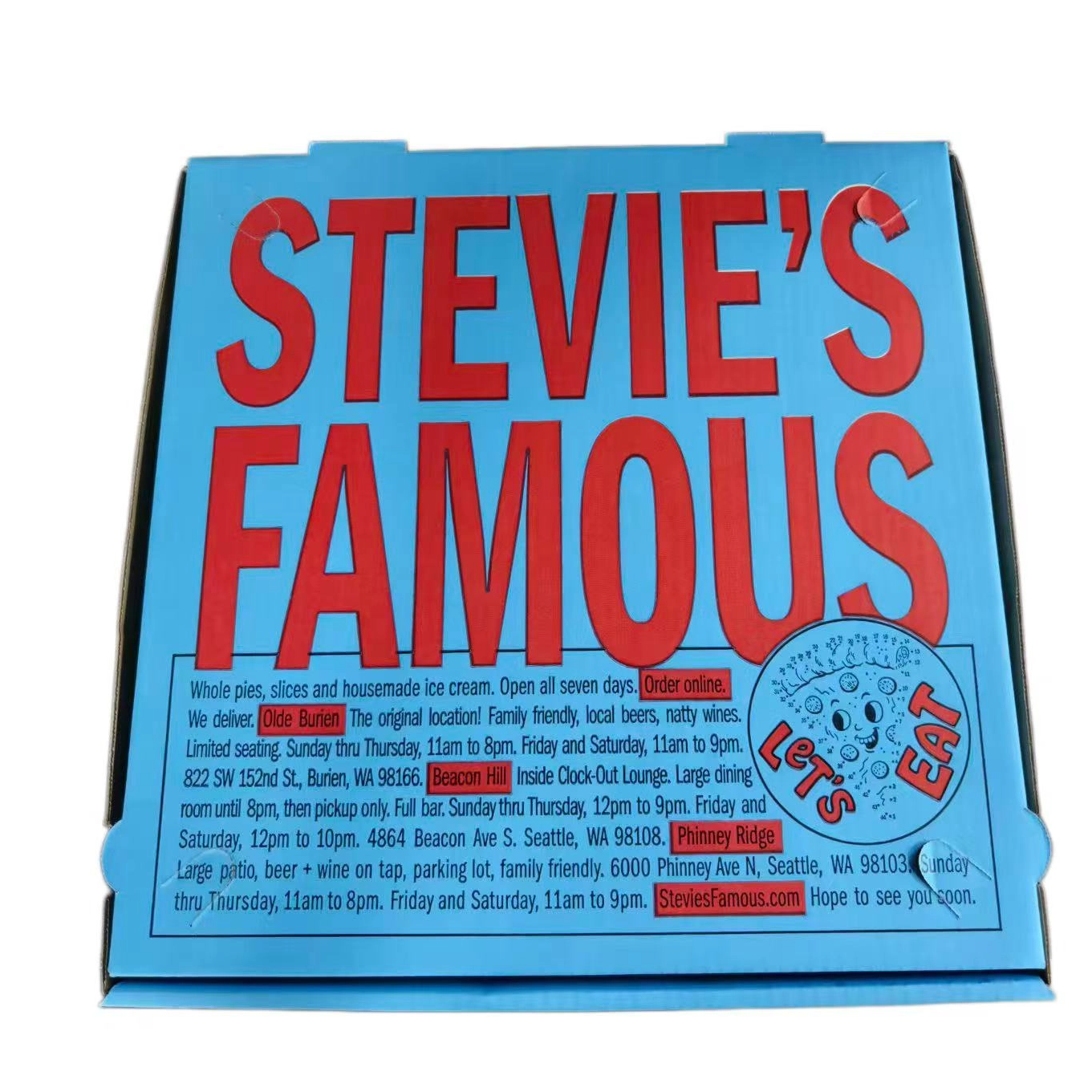
For restaurant operators and commercial buyers, understanding the structural and chemical differences between various grades of packaging is essential. Not all corrugated materials are manufactured equally. Selecting the correct material impacts heat retention during delivery, moisture control, and the ultimate safety of the end consumer.
A massive distinction exists between industrial shipping corrugated and FDA-compliant food-grade corrugated. Industrial shipping boxes often utilize recycled testliner. This recycled paper can contain traces of heavy metals, residual industrial chemicals, and unknown contaminants from its previous lifecycle. Heating recycled testliner amplifies the risk of chemical contamination.
Premium food packaging relies on virgin kraft paper for the inner liner that directly contacts the food. Virgin kraft is manufactured directly from wood pulp without the introduction of recycled contaminants. Modern compliance requires evaluating the presence of Per- and Polyfluoroalkyl Substances (PFAS). High-quality packaging must utilize heavy-metal-free and PFAS-free manufacturing processes to ensure that no toxic chemicals migrate into the food, regardless of ambient temperature.
To combat grease and moisture, manufacturers apply various coatings to the corrugated liners. Each coating presents distinct trade-offs regarding breathability and thermal tolerance.
Uncoated Virgin Kraft: Highly breathable, allowing steam to escape and keeping the crust crisp during transit. It absorbs grease quickly, which lowers the flashpoint if a consumer places it in the oven.
Clay-Coated Newsback (CCNB): Offers a smooth surface for high-quality printing and provides moderate grease resistance. Under thermal load, the clay coating cracks and degrades, releasing a chalky residue.
Poly-Coated Barriers: A waterproof pizza box often utilizes a thin polyethylene (plastic) coating to completely block moisture and grease. While excellent for transport and structural integrity, poly-coated boxes are catastrophic in an oven. The plastic layer melts rapidly at low baking temperatures, fusing toxic plastic directly to the food and releasing hazardous fumes.
Packaging Material Type | Primary Benefit | Moisture Control | Oven Safety Profile |
|---|---|---|---|
Uncoated Virgin Kraft | Chemical purity, high breathability | Excellent (Vents steam well) | High fire risk if grease-soaked; off-gasses glue. |
Clay-Coated (CCNB) | Superior printability, moderate grease block | Moderate | Coating cracks and degrades under heat. Unsafe. |
Poly-Coated (Waterproof) | Total grease and moisture barrier | Poor (Traps steam) | Extreme risk. Plastic melts and releases toxic fumes. |
Recycled Testliner | Lower material cost | Moderate | High risk of heavy metal and unknown chemical leaching. |
The visual branding on the outside of the packaging plays a critical role in thermal safety. Standard industrial printing utilizes petroleum-based inks. When heated, petroleum inks release strong chemical odors and volatile organic compounds. A high-quality custom pizza box designed for the food industry must utilize water-based flexographic inks. Water-based inks offer superior heat stability and eliminate the risk of petroleum off-gassing. The adhesives used to bind the flutes must be certified food-safe, ensuring that incidental heat during transport does not cause glue vapor to contaminate the meal.
The physical architecture of the board dictates how it handles heat transfer and moisture retention. Corrugated board consists of a fluted medium sandwiched between two flat linerboards. The size and frequency of these flutes determine the board's insulation properties and structural rigidity.
Different flute profiles offer varying levels of thermal protection during delivery. B-flute is approximately 1/8 inch thick with 47 flutes per linear foot. It provides excellent insulation, keeping the food hot during long delivery routes. Because it traps more air, it also traps more heat if placed in an oven, accelerating the breakdown of the internal adhesives.
E-flute is thinner, measuring about 1/16 inch thick with 90 flutes per foot. It offers superior crush resistance and a smoother surface for high-resolution printing. E-flute takes up less storage space in a crowded restaurant kitchen. While it transfers heat more rapidly than B-flute, it still relies on the same starch-based adhesives that fail under oven temperatures.
Effective packaging design balances thermal retention with moisture ventilation. If a container traps too much heat without venting steam, the food becomes soggy. If it vents too much air, the food arrives cold. Engineered ventilation holes on the rear or side panels allow steam to escape while trapping the majority of the ambient heat inside the chamber. These vents are calibrated for the gradual cooling process of delivery, not the rapid steam generation that occurs when reheating food in an oven.
To preserve the culinary integrity of the food and eliminate all physical and chemical risks, consumers must bypass the packaging entirely. Reheating food requires direct, controlled heat application that corrugated materials simply cannot facilitate.
For superior bottom crisping and rapid cheese melting, the stovetop skillet method outperforms the oven. This method completely avoids packaging interference and delivers restaurant-quality results.
Place a cast-iron or heavy-bottomed stainless steel skillet over medium-low heat.
Place the slice directly into the dry skillet without any added oil.
Allow the bottom crust to crisp for approximately two to three minutes.
Once the crust is firm, add half a teaspoon of water to the side of the pan, away from the food.
Immediately cover the skillet with a tight-fitting lid to trap the steam.
Wait 60 seconds for the steam to melt the cheese perfectly.
Remove the slice and serve immediately.
The oven remains an excellent tool for reheating, provided the food is removed from its container. This specific temperature range is hot enough to trigger the Maillard reaction, restoring the crisp texture to the bottom crust.
Pre-heat the oven to 375°F (190°C).
Place a dedicated baking sheet or a pizza stone in the oven while it pre-heats.
Remove the food entirely from the corrugated packaging.
Place the slices directly onto the hot baking sheet or stone.
Bake for 5 to 8 minutes until the cheese bubbles and the crust is crisp.
Air fryers utilize rapid air circulation to heat food quickly and evenly. This method is ideal for single slices and ensures a crispy crust without drying out the toppings.
Preheat the air fryer to 350°F (175°C).
Place the slice in the air fryer basket in a single layer, ensuring it does not touch the heating element.
Heat for 3 to 4 minutes, checking halfway through to prevent burning.
Remove carefully with tongs, as the cheese will be extremely hot.
Commercial food providers must operate under the assumption that consumers will inevitably attempt to heat their packaging. Selecting the right materials serves as a critical liability shield and directly impacts the overall customer experience. The goal is to provide a container that maintains optimal food temperature during transit, reducing the consumer's urge to use the oven in the first place.
Restaurant operators must rigorously vet their packaging suppliers. Do not rely on visual aesthetics alone. Request comprehensive documentation regarding material compliance. A reliable supplier will provide an FDA compliance certificate for the inner kraft liner. Demand safety data sheets (SDS) for the adhesives used in the fluting process to ensure they do not contain toxic industrial solvents. Verify that all printing utilizes food-safe, water-based flexographic inks. By sourcing a certified pizza box, you eliminate the risk of heavy metal contamination and chemical leaching, protecting both your customers and your brand reputation.
The most effective way to combat online misinformation regarding oven safety is through direct consumer education. Utilize the printable real estate on your packaging to guide consumer behavior. Print explicit, safe reheating instructions directly on the lid or side panels. Recommend the skillet method or the 375°F baking sheet method. Print a clear, highly visible "Do Not Place in Oven" warning. This simple addition limits liability, demonstrates a commitment to consumer safety, and ensures your food is enjoyed exactly as intended.
Audit your current packaging suppliers to verify FDA compliance, virgin kraft usage, and the absence of heavy metals or PFAS.
Transition to water-based flexographic inks and food-safe adhesives to eliminate the risk of volatile organic compound off-gassing.
Redesign your custom packaging artwork to include explicit "Do Not Place in Oven" warnings and step-by-step safe reheating instructions.
Educate your customer base through social media and in-store signage about the superior skillet reheating method to improve their at-home experience.
A: While auto-ignition is unlikely at a steady 170°F, it remains unsafe. Oven thermostats constantly cycle, meaning heating elements temporarily blast much hotter radiant air to maintain the target temperature. Proximity to these exposed elements, combined with heavy grease saturation in the cardboard, easily triggers a fire hazard over time.
A: No. Even if the material does not catch fire, the "keep warm" setting generates enough thermal stress to cause chemical off-gassing. Polyvinyl acetate glues and printing inks break down under low heat, releasing volatile organic compounds that transfer directly into your food, making it unsafe for consumption.
A: It depends on the ink formulation. Standard industrial petroleum-based inks release strong odors and toxic fumes when heated. High-quality food packaging utilizes water-based flexographic inks, which offer better thermal stability. Regardless of the ink type, the packaging is not designed to withstand oven baking temperatures.
A: Food-safe corrugated containers utilize virgin kraft paper for the inner liners, ensuring no direct contact with recycled contaminants. They require FDA-compliant adhesives and strict limits on heavy metals and PFAS chemicals. Standard shipping boxes often use recycled testliner, which leaches unknown industrial toxins when heated.
A: No. While grease-resistant treatments prevent oil absorption, the chemical coatings themselves are not rated for oven baking. Subjecting these specialized barrier coatings to high heat causes them to melt, degrade, and leach harmful chemicals directly into the food.
A: You should never do this. Toaster ovens have exposed heating elements located very close to the food. Tearing or folding the packaging exposes the raw, highly flammable corrugated flutes. These raw edges act like kindling and ignite rapidly when placed near a toaster oven's heating coils.


